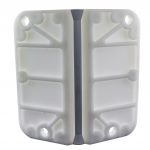
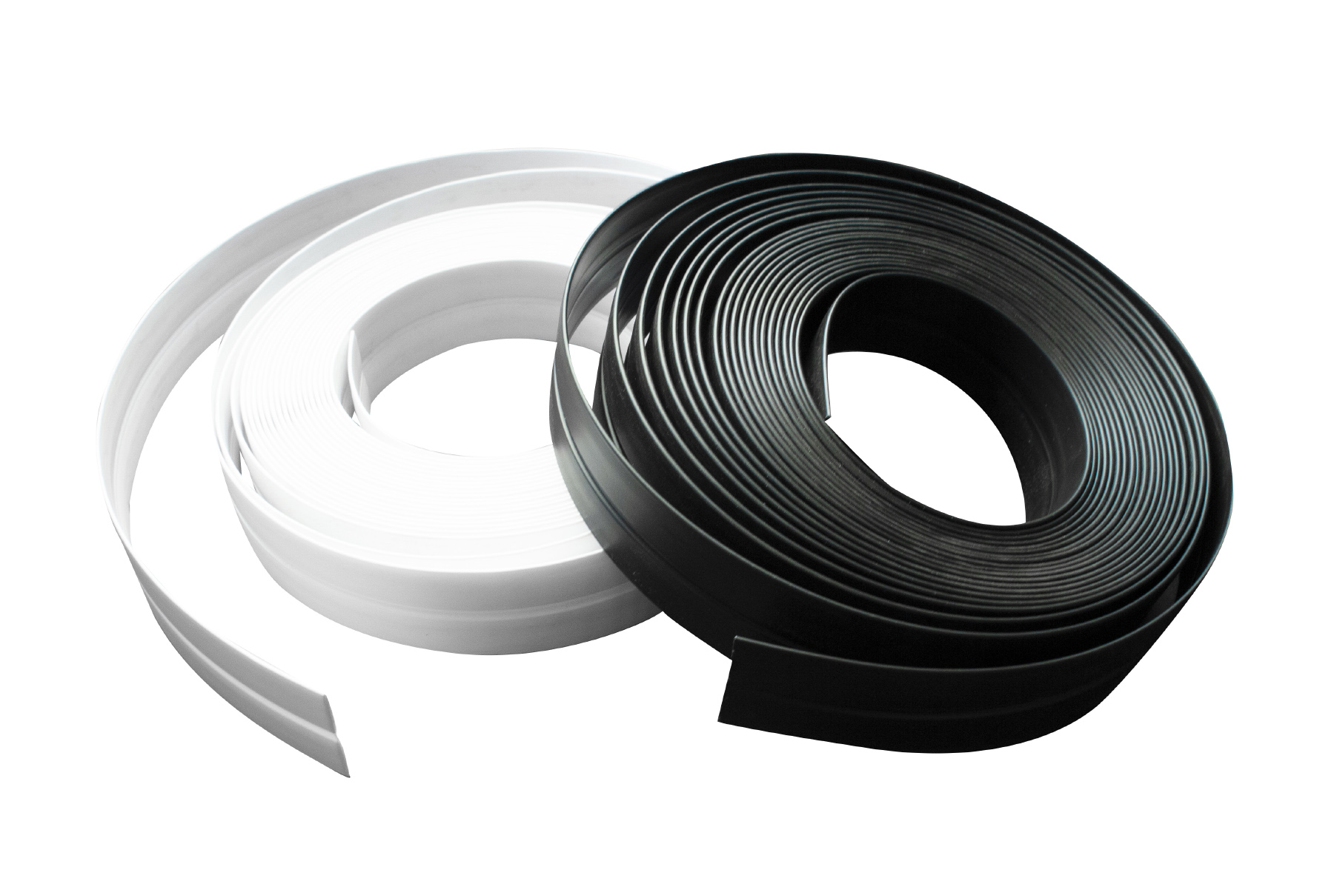
The term is “living hinge” is somewhat of a misnomer because neither it nor any other hinge is actually alive. Hinges are inanimate objects made of various materials, and living hinges are no exception. So, what is a living hinge exactly, and how do they differ from conventional hinges?
Characteristics of Living Hinges
The two most important characteristics of living hinges are their thin design consisting of plastic material. But since they are made of plastic, living hinges are naturally protected from rust and corrosion. Metal hinges typically can’t be used in applications where moisture or humidity is a concern. Over time, exposure to moisture or humidity will cause the metal to rust or corrode, resulting in the breakdown and degradation of the hinge. Living hinges don’t suffer from this problem since they are made entirely of plastic.
A lesser-known characteristic of living hinges is their quiet operation. When a conventional metal hinge is moved, it usually creates sound. Living hinges, on the other hand, are almost completely silent. When folded in or out, you won’t hear a living hinge move. Its thin plastic design suppresses noise to create near-silent operation.